Small patio dining: making chairs, tables and space work
A small patio can still be a comfortable place to eat outdoors. The main task is not to fill every corner with furniture, but to choose pieces that leave enough room to sit, move and serve food. Patio dining chairs matter here because they take up less visual and physical space than many people expect, yet they shape how the whole area works. Slim arms, open backs and stackable frames can make a compact patio feel usable rather than crowded.
Start with the way the space is used. A balcony for two people needs a different setup from a narrow terrace that also holds planters, a grill or a passage to a garden door. Measure the clear area, not just the outside walls. Note where doors swing, where drains sit and where the sunniest or sheltered part falls. These details affect where a dining table can stand and how easily chairs can pull back.
Choose the table before filling the seats
The dining table sets the rhythm of the layout. A round table often suits a small patio because there are no sharp corners to work around and people can slide into seats without pushing them far back. A square table can tuck neatly into a corner. A rectangular table works best when the patio has a long, narrow shape, especially if bench seating can sit along one side.
Table diameter matters more than style. Too wide, and the chairs stand too far apart for easy conversation. Too small, and place settings, glasses and serving dishes compete for room. A useful approach is to picture a meal for the number of people who normally eat there, then allow a little extra surface for dishes. If most meals are casual, a smaller table with flexible seating is often better than a large one that dominates the patio.
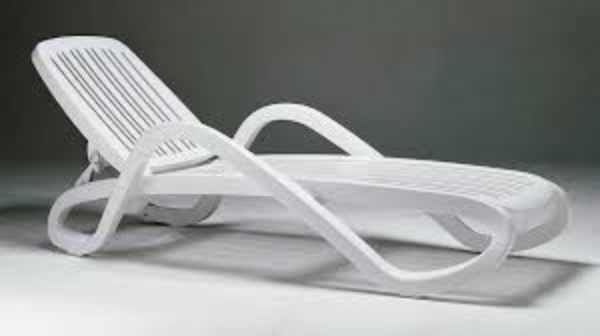
Materials also change how spacious the area feels. Resin furniture can be a practical match for compact outdoor spaces because many pieces have clean profiles and simple shapes. It is also commonly chosen for outdoor use where resistance to moisture and everyday weather is useful. Pairing resin dining tables with chairs that have open frames can keep the seating area from looking heavy, while still giving the patio a settled, intentional look.
Give every chair enough room to move
Chair clearance is easy to overlook on a small patio. A chair may fit neatly when pushed in, but dining requires space to pull it out and sit down. If chairs sit against a wall or railing, check that people can get in and out without scraping furniture or leaning across the table. Where space is tight, a bench along one side can reduce the number of separate seats needed.
Patio dining chairs with arms can feel comfortable, but arms add width. Armless chairs can be pushed closer together and tucked more neatly under a table. Stackable chairs are useful where seating appears only during meals, since they can be stored out of the way between uses. Folding chairs save even more space, though they may need more care when placed on a smooth surface so they stay steady.
Weight is another practical point. Light chairs are easy to move, which helps when cleaning around planters or shifting the layout for a larger gathering. Very light chairs can shift in wind, so a protected corner or a heavier dining table may be a better match in exposed spots. The aim is furniture that can be rearranged without turning every meal into a major reset.
Mix seating without making the patio look busy
A small patio does not need a matching set everywhere. In fact, mixing seating can solve problems that a full dining set cannot. A bench along a wall, two dining chairs at the table and a compact stool for extra seating can work well if the pieces share a similar scale or finish. The eye reads the group as calmer when the furniture shares one visual feature, such as a neutral colour, straight lines or matching legs.
Bench seating is especially helpful in narrow areas. One bench can replace several chairs along a wall, leaving more open floor in front of the table. It also creates a neat edge that makes a small space feel organised. The trade-off is that benches are less flexible than individual chairs, and getting in beside a seated person can be awkward. A bench works best where there is open access at each end or along the front.
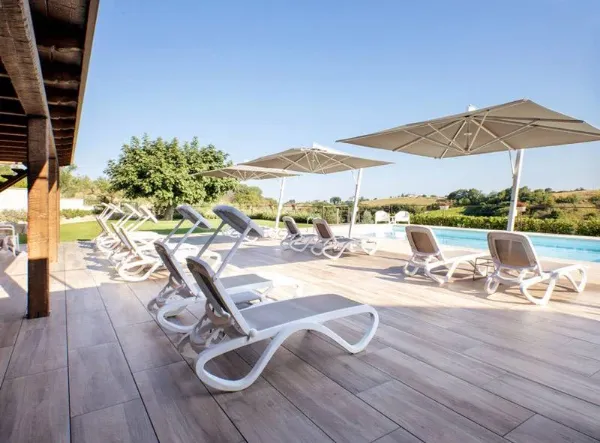
If the patio is used for both meals and lounging, think in terms of zones rather than permanent arrangements. A small dining table near the door can handle breakfast and quick meals, while a chaise lounge or compact chair can sit in the sunnier corner. Keeping each zone small prevents the patio from feeling like a storage area for furniture.
Pay attention to height and footprint
Counter height furniture can make a compact patio feel more open because tall stools and a narrow counter table use a smaller floor footprint than a full dining set. This can suit a balcony, a wide step or a space beside a wall. It is less relaxed for long meals, and some people find it less comfortable, so it works best for drinks, snacks and informal dining.
Standard dining height remains the easier choice for everyday meals. When checking dimensions, look beyond table length. Consider the full footprint once chairs are pulled out, then compare it with the clear patio space. A table that seems fine on paper may block a pathway once seating is added. Leave enough room for people to walk past the table, especially if the patio leads to a door or garden path.
Feet and bases deserve attention too. A pedestal base can free legroom and make chairs easier to position, while four legs may create a sturdier feel on uneven paving. On a small patio, visible base shape affects how open the area looks. A lightweight visual base can make the seating group feel less packed, even when the table itself has useful surface area.
Make the layout work through the seasons
Outdoor furniture rarely stays in one perfect arrangement all year. Cushions, planters and shade can change how much room is available. A patio that feels spacious in early spring may feel tighter once large plants spread or a parasol base is added. Leave a little breathing room around the dining area so these changes do not force a full redesign.
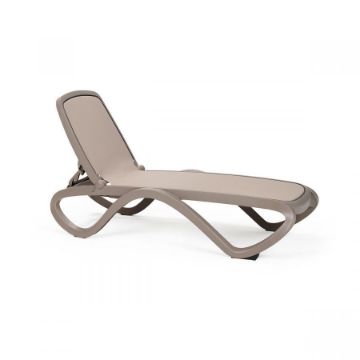
Resin dining tables can fit well into this kind of flexible setup, particularly when paired with chairs that are easy to move and store. Their surfaces are usually simple to wipe clean after meals, and their shapes often suit compact layouts. The best choice depends on the space available, the number of regular diners and how often the patio needs to serve other purposes.
A good small patio plan keeps the number of pieces modest. A table, a practical set of seats and one or two supporting items are often enough. Add more only when the space still feels easy to walk through and every chair can be used without rearranging half the patio. That is the point where compact outdoor dining stops feeling like a compromise and starts feeling like a natural use of the space.